Astona Stone  ·  Rajkot, India

Earth's Rare
Treasures

Semi-precious stones curated from the world's most remote mines

The Rarity Argument

True luxury begins
beyond Italian marble.

Italian marble is quarried by the tonne — industrial, predictable, abundant. Semi-precious stones are extracted gram by gram, from formations millions of years in the making, in remote mines that most of the world will never see.

What you hold in a piece of labradorite or lapis lazuli is not manufactured beauty. It is geological accident — unrepeatable, uncontrollable, and therefore truly rare. No two pieces from the same mine are ever identical.

The extraction story alone separates stone from marble: a single kilogram of collector-grade labradorite requires weeks of hand-sorting in Madagascar. A quality lapis block from the Sar-e-Sang mines in Afghanistan has been flowing out the same mountain for 6,000 years — and every gram gets harder to reach.

200M+
Years in the making
60+
Stone varieties curated
Zero
Two pieces ever identical
100%
Natural, unenhanced stones
Extracted by the gram
"Not quarried by the tonne — sorted by hand, one specimen at a time."
Where marble is cut in industrial volume, collector-grade semi-precious stone is won gram by gram from remote deposits. A single kilogram of fine labradorite can demand weeks of hand-sorting before it meets our standard.
Impossible to synthesise
"No laboratory has ever reproduced these optical effects."
Labradorescence, chatoyance, adularescence, nacre's iridescence — each arises from microscopic structures built over millions of years of geological time. They cannot be faked, dyed, or manufactured. What you see is pure structure.
Never twice the same
"No two pieces from the same mine are ever identical."
Every slab is a frozen geological accident — banding, veining, inclusion and colour dictated by conditions that will never recur. To own a piece is to own the only one of its kind in existence.
Rarer every year
"Some of these deposits have been worked for 6,000 years."
The Sar-e-Sang lapis mines in Afghanistan have flowed from the same mountain since 4,000 BC — and every gram now sits deeper and harder to reach. Finite formations only grow scarcer with each passing decade.
Ultra Luxury — Semi-Precious Stones

The Collection

Every stone,
a singular world

Agate

Brazil  ·  Morocco  ·  India

Banded fortitude — grounding energy

Pyrite

Spain  ·  Peru  ·  Russia

Fool's gold — anything but foolish

Mother of Pearl

Polynesia  ·  Philippines  ·  Gulf

Nacre's iridescent architecture

Labradorite

Madagascar  ·  Finland  ·  Canada

Aurora borealis, caught in mineral

Tiger Eye

South Africa  ·  India  ·  Australia

Chatoyant silk, fluid as flame

Quartz

Brazil  ·  Arkansas  ·  Alps

Crystal clarity — ancient light

Amazonite

Brazil  ·  Russia  ·  Colorado

River-green, serene as deep water

Fluorite

China  ·  Mexico  ·  England

The full spectrum in a single crystal

Lapis Lazuli

Afghanistan  ·  Chile  ·  Russia

The blue that built civilisations

Sodalite

Brazil  ·  Canada  ·  Namibia

Indigo depth — the thinker's stone

Amethyst

Brazil  ·  Uruguay  ·  Zambia

Royal violet — nature's finest purple

Chalcedony

Turkey  ·  India  ·  Namibia

Translucent serenity — ancient dreamstone

Aventurine

India  ·  Brazil  ·  Russia

Sparkling green quartz — the stone of fortune

Malachite

Congo  ·  Zambia  ·  Russia

Bold copper-green — nature's boldest pattern

Jasper

Madagascar  ·  India  ·  USA

Opaque earth fire — the warrior's talisman

Obsidian

Mexico  ·  Iceland  ·  Armenia

Volcanic glass — the void that reflects all

Petrified Wood

Arizona  ·  Indonesia  ·  Madagascar

Ancient forest, turned to stone over millions of years

Above Luxury — Onyx & Quartzite

Astona Onyx

Formed from mineral-rich waters over millions of years, onyx carries a translucency that no marble can replicate. Each slab is a frozen geological event — banded, glowing, entirely unrepeatable.

White Onyx

Pakistan  ·  Iran  ·  Turkey

Pure luminescence — ghost-white translucency

Green Onyx

India  ·  Brazil  ·  Pakistan

Deep forest green — vivid banded translucency

Honey Onyx

Iran  ·  Turkey  ·  Afghanistan

Warm amber warmth — glows like molten gold

Red Onyx

Pakistan  ·  Morocco  ·  Iran

Volcanic crimson — dramatic banded depth

Black Onyx

India  ·  Brazil  ·  Uruguay

Absolute dark — the stone of quiet authority

Pink Onyx

Pakistan  ·  Iran  ·  Turkey

Soft rose luminescence — feminine and rare

Blue Onyx

Brazil  ·  Argentina  ·  India

Deep ocean blue — rarest of the onyx family

Astona Quartzite

Quartzite begins as sandstone and transforms under extreme geological heat and pressure into one of nature's hardest decorative stones. Harder than marble, more striking than granite — and rarer than both.

White Quartzite

Brazil  ·  Norway  ·  India

Clean crystalline white — harder than marble

Fantasy Brown

Rajasthan, India

Warm earth veins — India's signature quartzite

Sea Pearl

Brazil

Grey-green shimmer — movement like ocean surface

Calacatta Quartzite

Brazil  ·  Italy

Marble aesthetic, quartzite durability

Taj Mahal

Brazil — Espírito Santo

Soft cream with gold veining — supremely elegant

Blue Macaubas

Minas Gerais, Brazil

Blue-grey movement — the rarest quartzite

Luxury — Italian Marble

Italian Marble

The benchmark of classical luxury — timeless, refined, and universally recognised. Our marble selection covers the finest quarries of Carrara, Brescia, and beyond, available in polished, honed, and brushed finishes.

Calacatta Gold

Carrara, Italy

Bold gold veining on brilliant white

Statuario

Carrara, Italy

Michelangelo's choice — pure white with grey veins

Bianco Carrara

Carrara, Tuscany

The world's most recognised white marble

Botticino

Brescia, Lombardy

Warm beige ivory — classical Mediterranean warmth

Nero Marquina

Basque Country, Spain

Jet black with white veins — the bold counterpoint

More Varieties

Italy  ·  Spain  ·  Greece

Download our catalogue for full marble range

Applications

Stones in
their environment

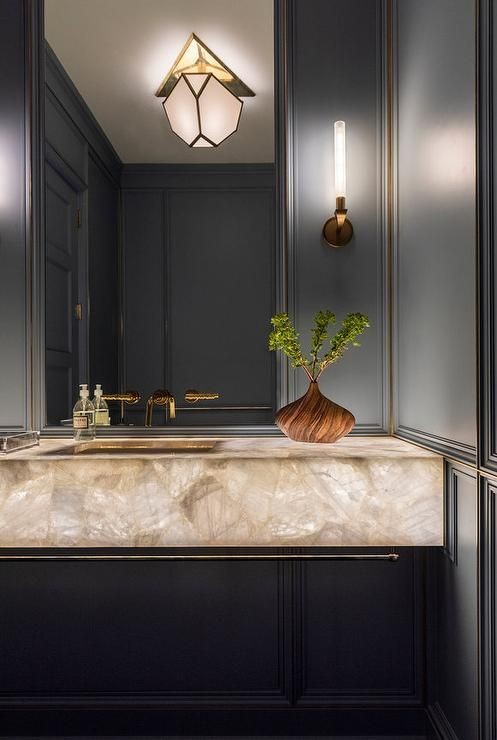
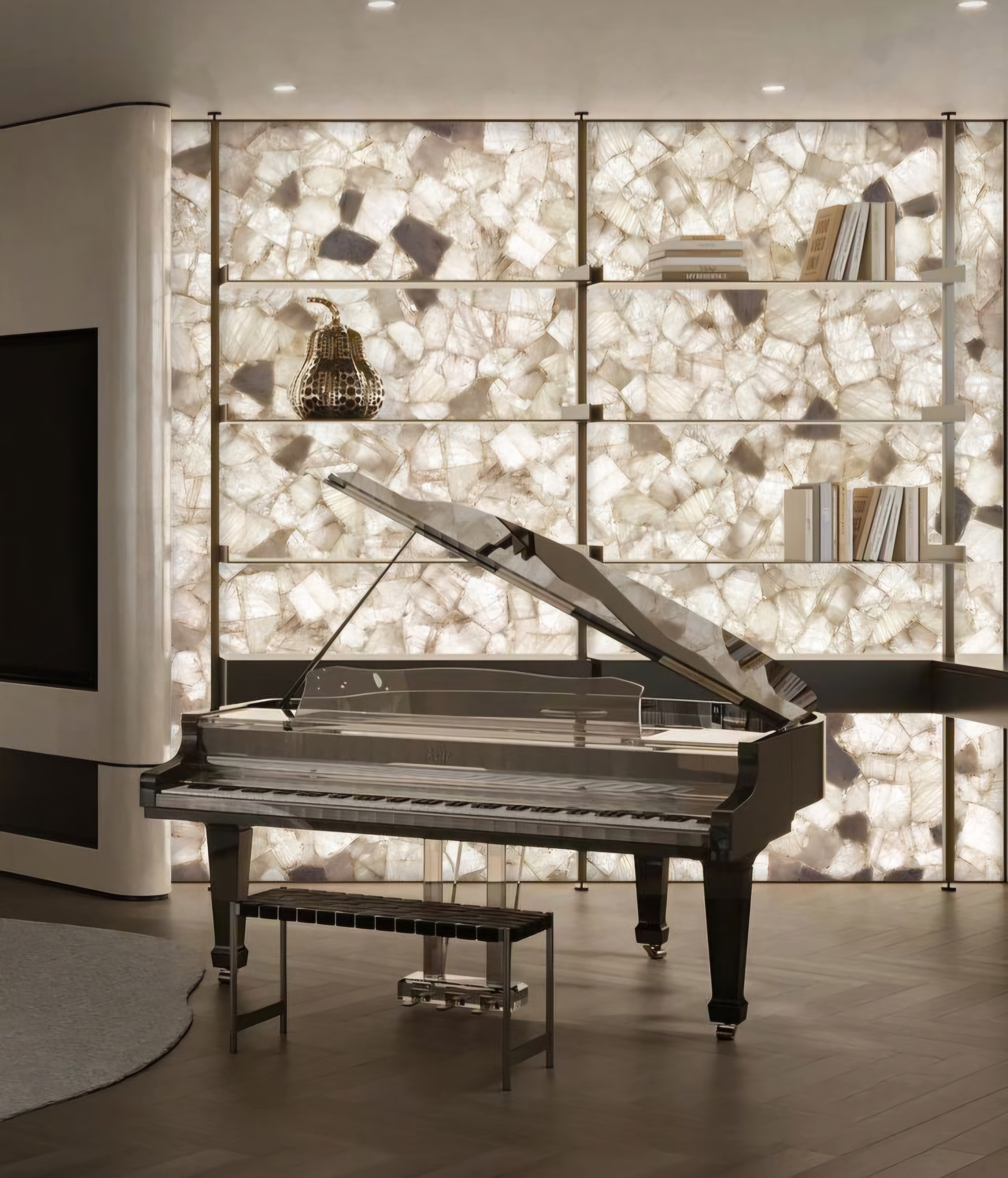
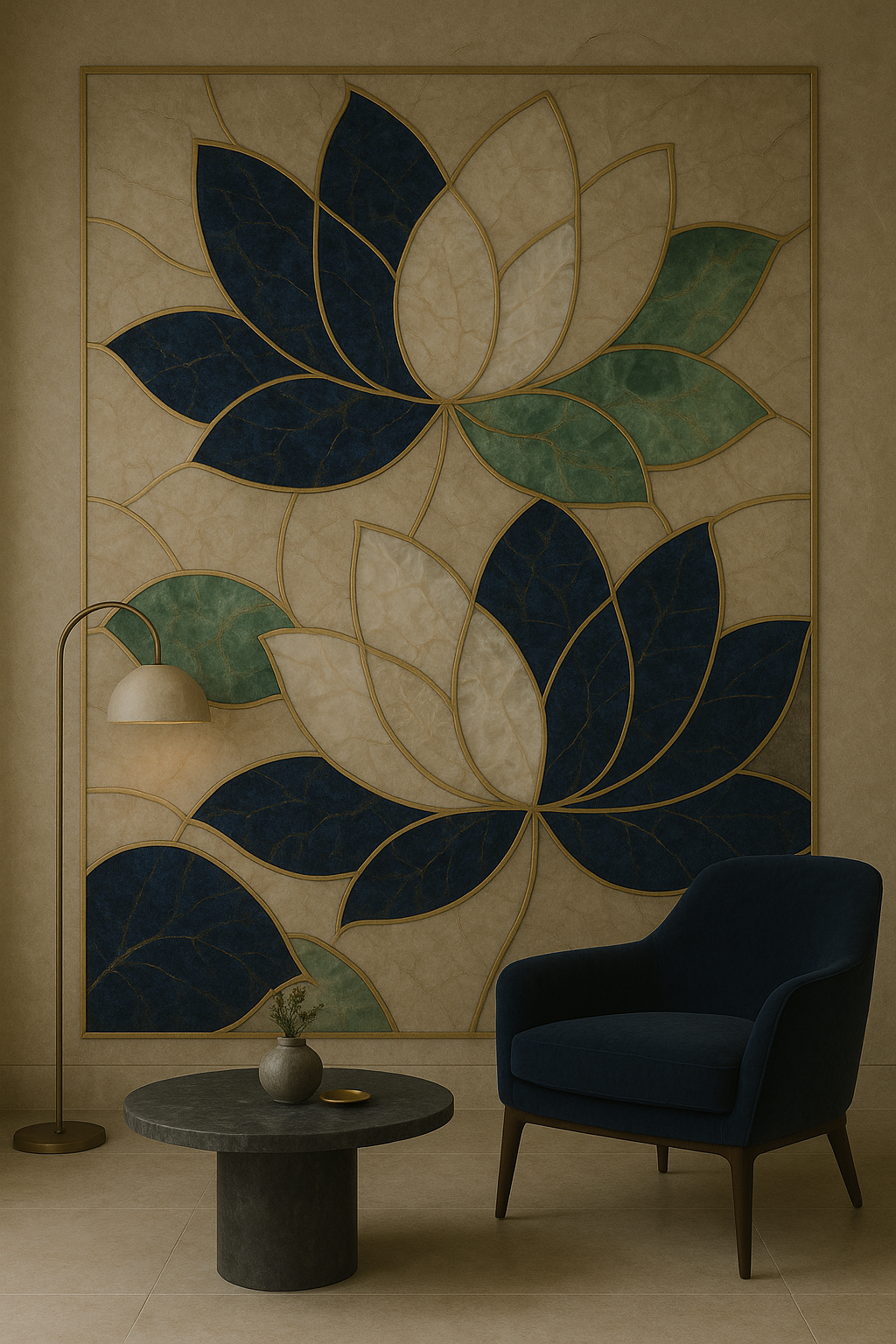
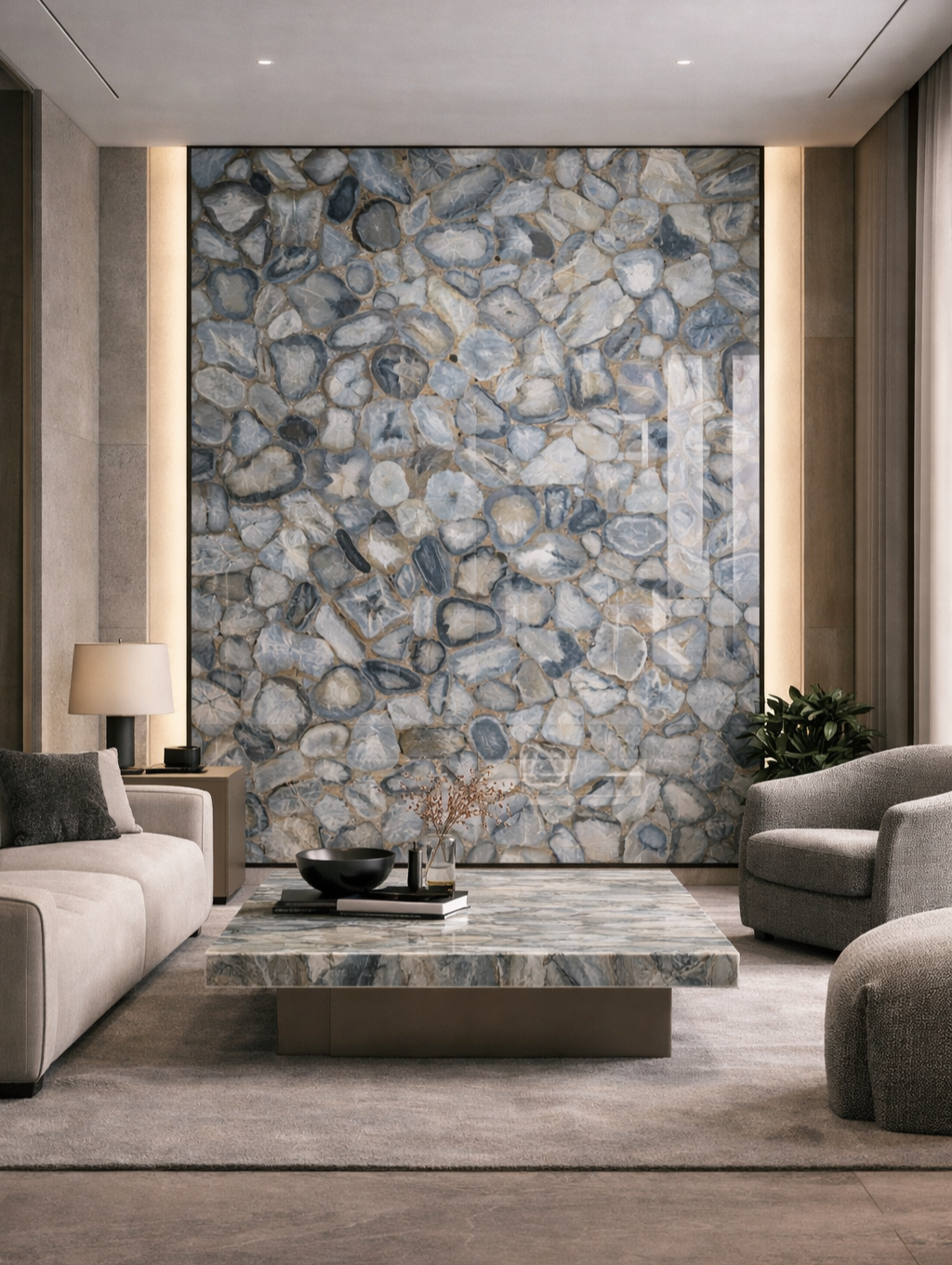
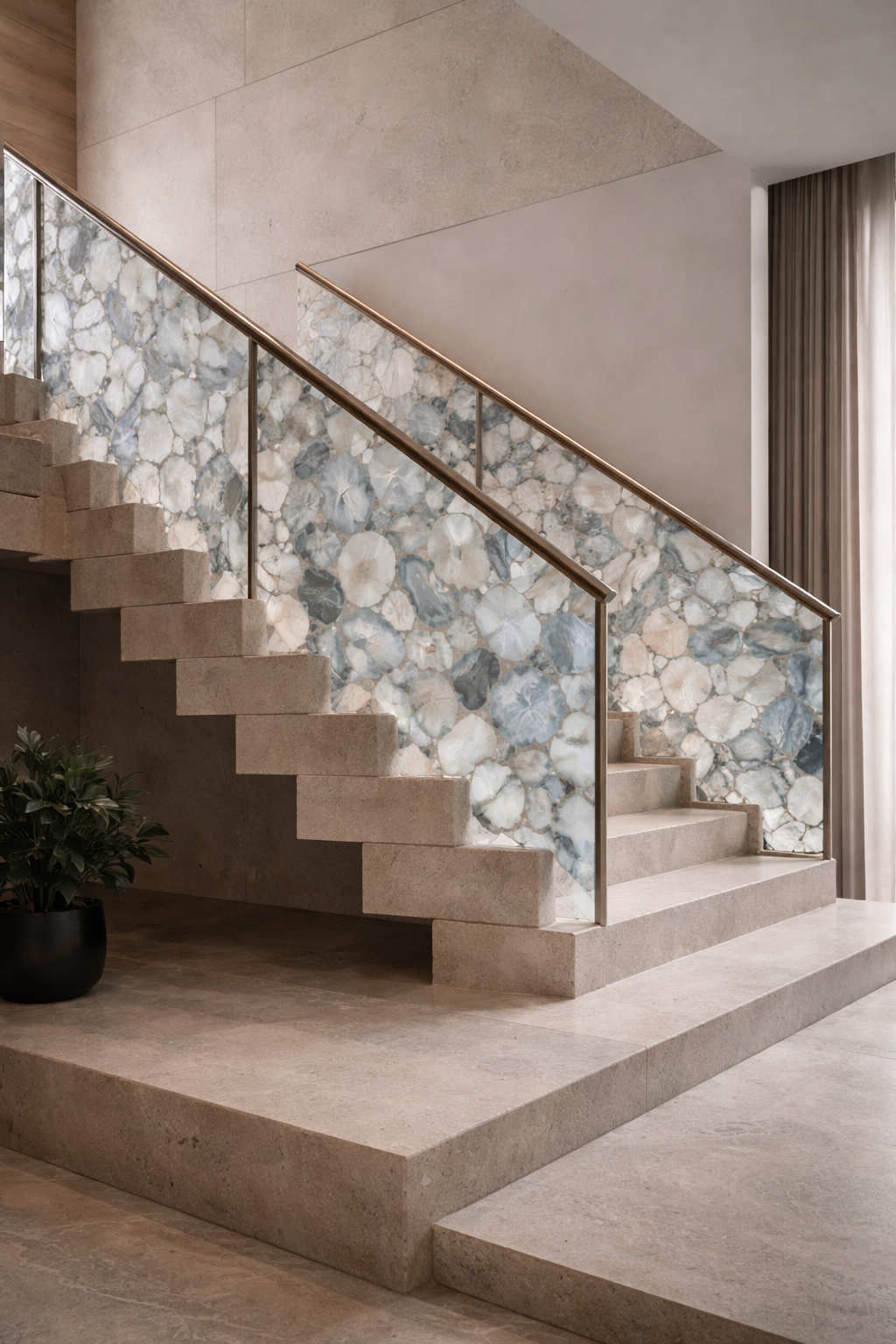
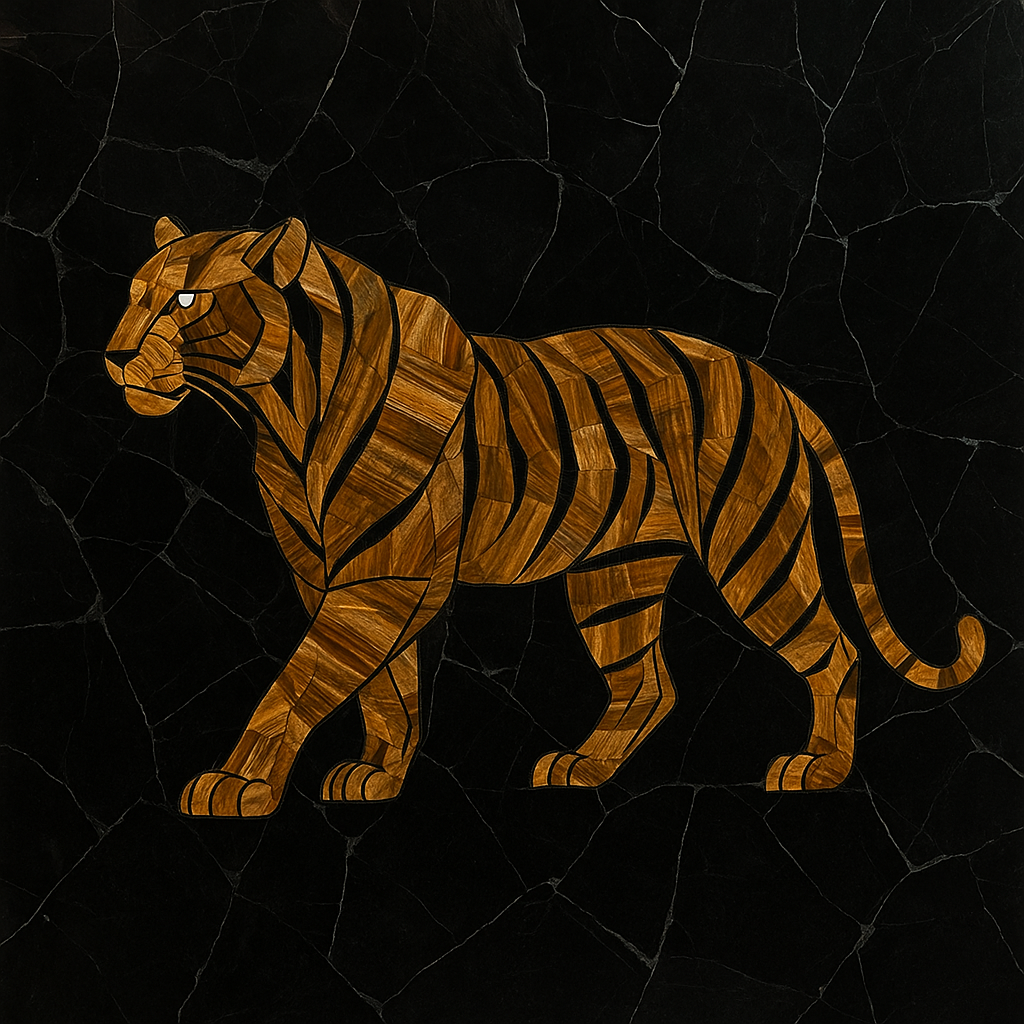
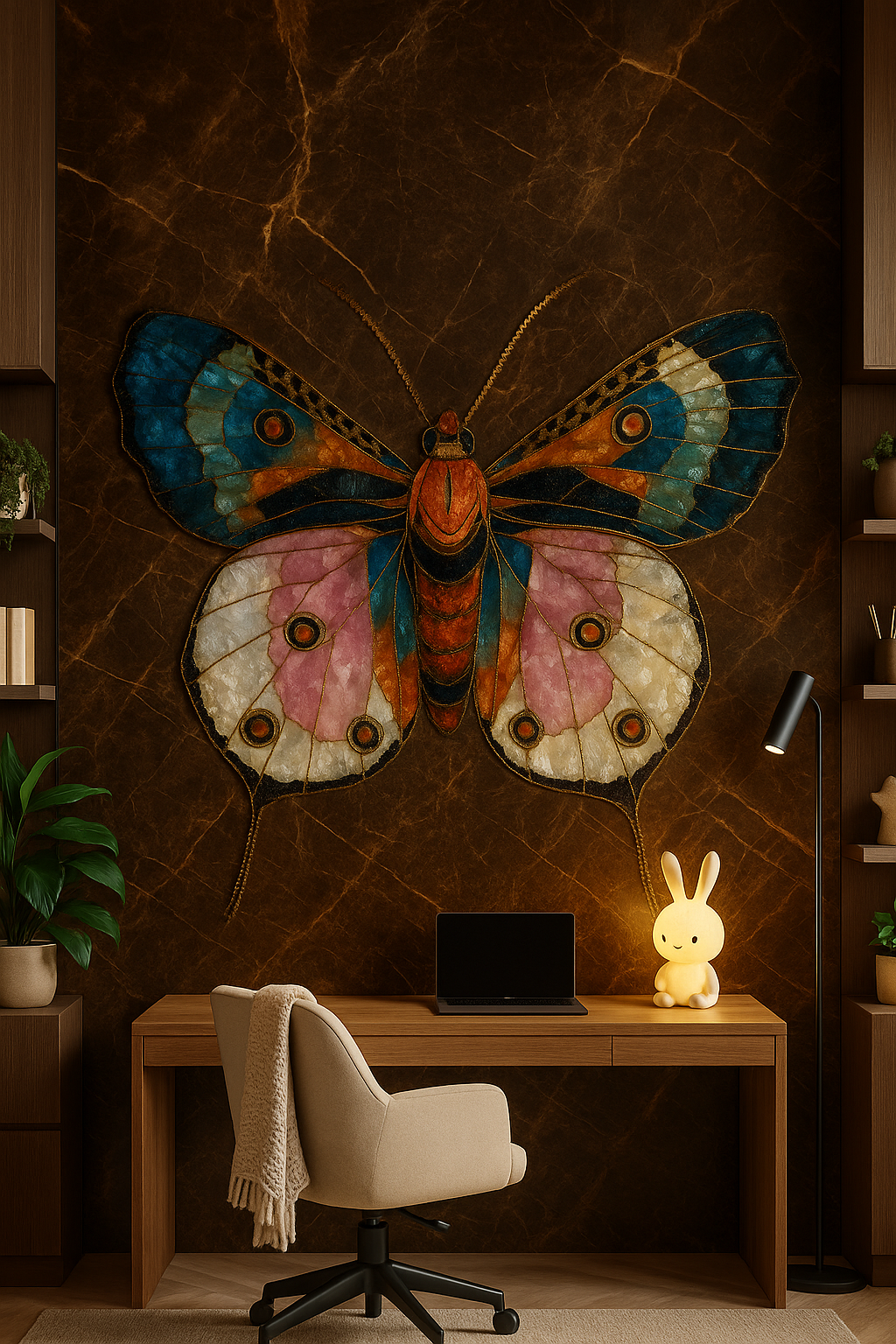
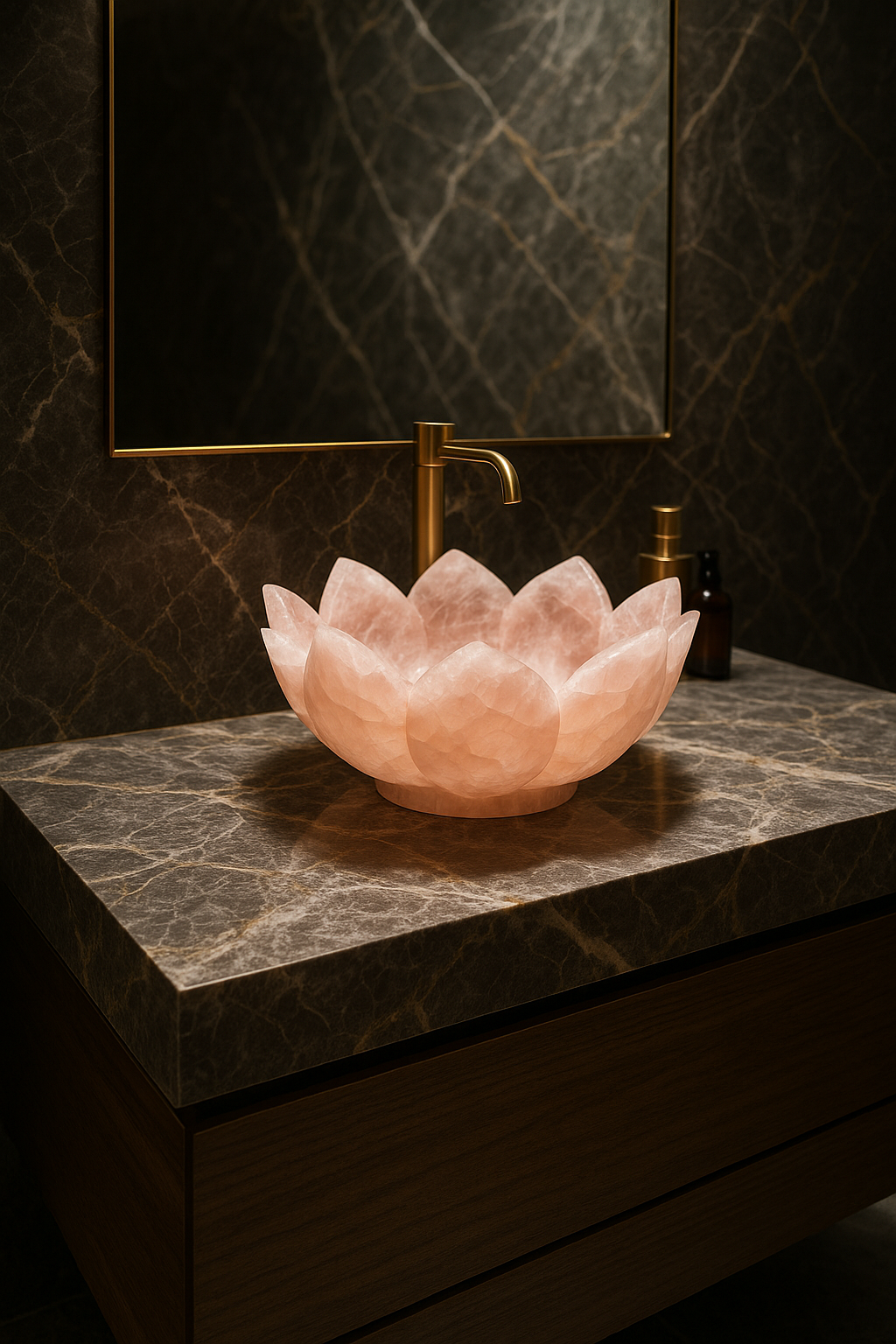
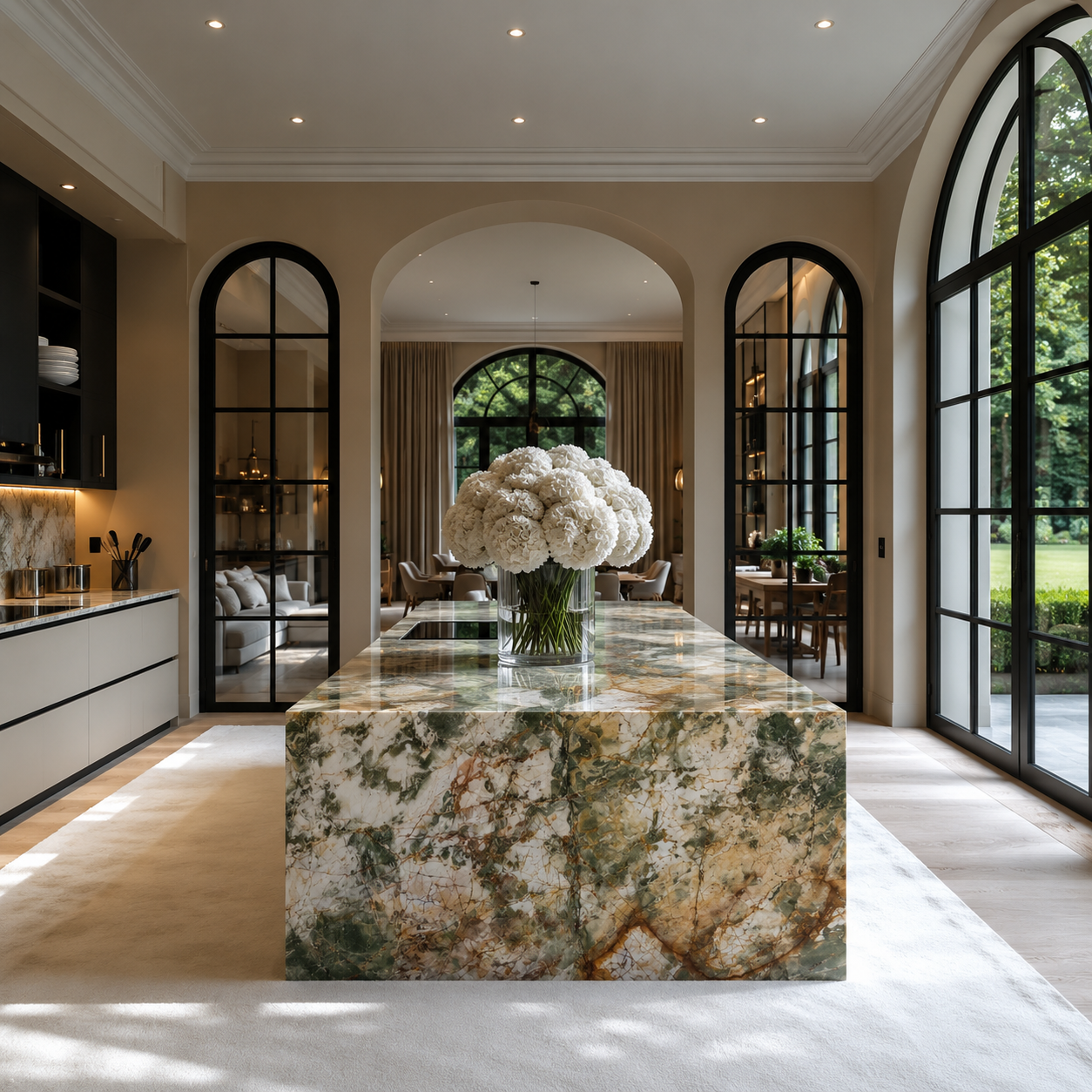
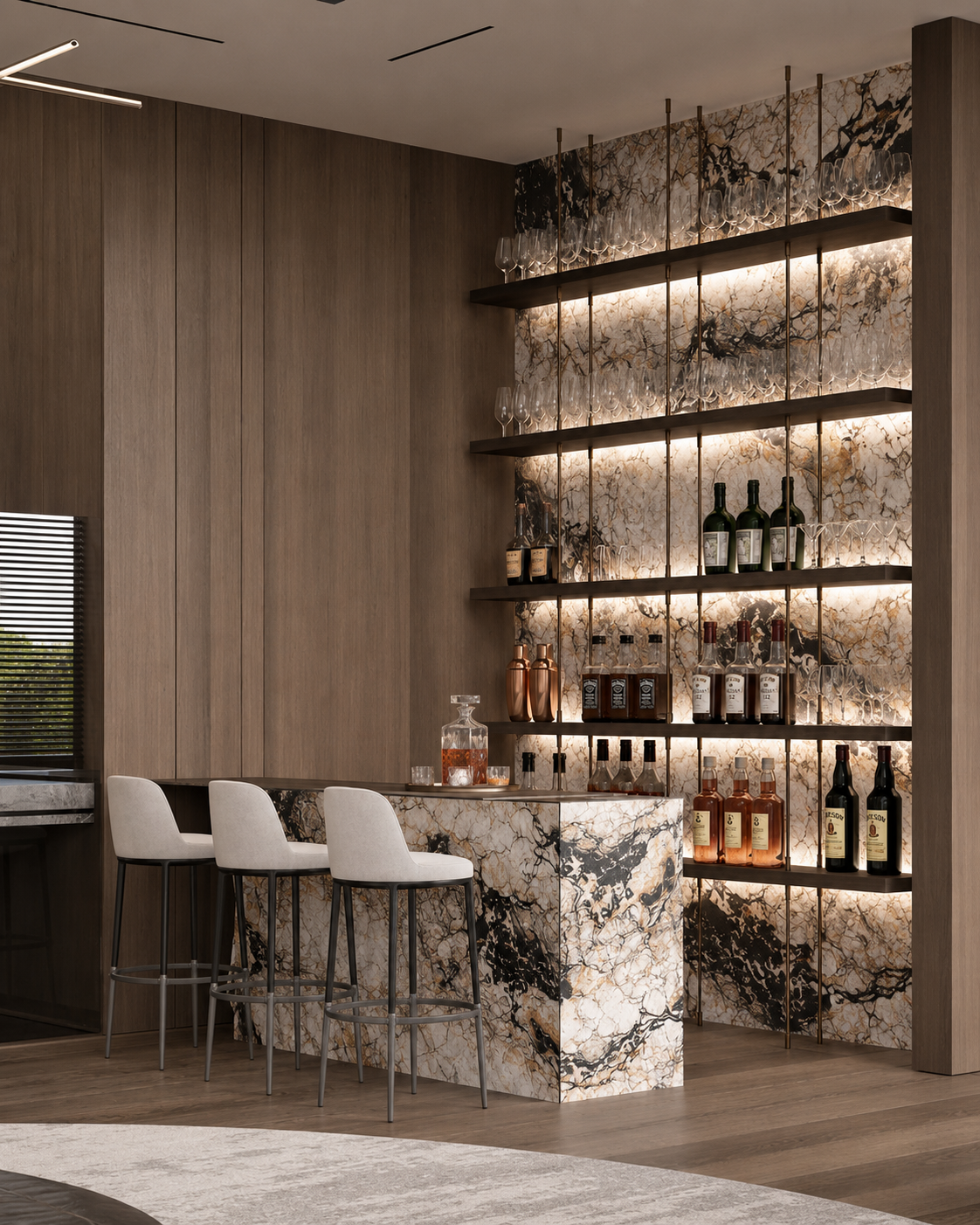
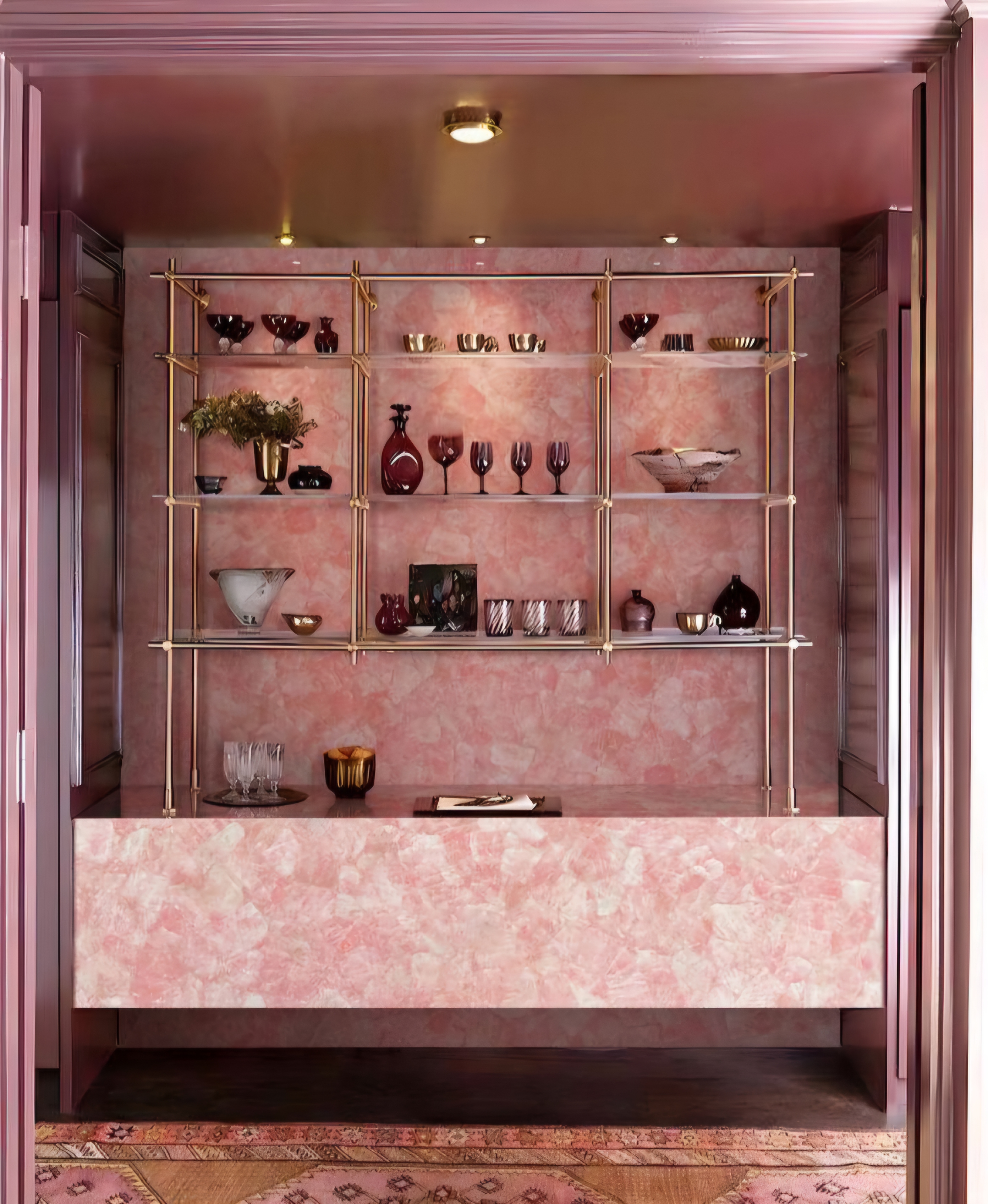
Curated compositions showing how Astona stones translate into interiors — feature walls, countertops, tabletops, backlighting, and decorative panels.
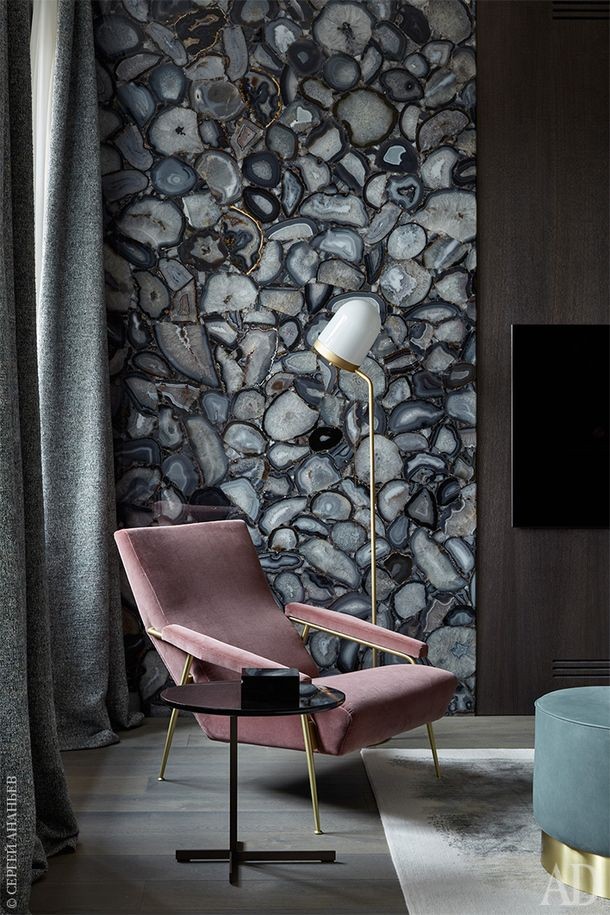
Semi-precious stone interior application
Feature Wall — Semi-Precious Stone
Stone tabletop interior application
Tabletop — Stone Surface
Stone counter application
Counter Surface — Stone Inlay
Backlit stone panel application
Backlit Panel — Translucent Stone
Luxury stone interior
Interior Feature — Luxury Stone
Stone decorative panel
Decorative Panel — Stone Composition
Semi-precious stone wall
Statement Wall — Semi-Precious
Stone surface application
Surface Application — Natural Stone
Luxury stone interior setting
Luxury Setting — Stone Centrepiece
Stone panel and furniture
Furniture & Panel — Stone Detail
Stone feature application
Feature Surface — Curated Stone
Backlit stone installation
Backlit Installation — Translucent Stone

Stone Soul

Ancient wisdom,
encoded in mineral

Every stone carries millennia of human reverence. These are not myths — they are records of civilisations that understood something about the material world we are only beginning to measure.

Agate  ·  The Warrior's Stone

Ancient Use
"Agate bead-making in Gujarat has been documented to 3000 BC — older than Rome, older than Greece."
India's Harappan civilisation (3000–1500 BC) established the world's first industrial agate-cutting tradition in Gujarat — the very state where Astona Stone is rooted. Craftsmen at Mohenjo-daro and Lothal mass-produced agate beads traded as far as Mesopotamia. Babylonian soldiers later wore these agate amulets; Egyptian pharaohs used them in scarabs and royal rings. The tradition has never stopped.
Metaphysical
"Stability between opposites — the yin-yang in mineral form."
Agate is associated with grounding, emotional balance, and inner stability. Healers placed it at the root to anchor scattered energy. It is considered a stone of slow, steady strength — not flash, but foundation.
Light & Optical
"Hold it to a lamp — each band glows at a different intensity."
Agate is translucent in thin section. The banded silica layers each carry slightly different density, so backlighting reveals the full banding pattern invisible in reflected light. No two agates glow identically.
Vastu
Place agate in the southwest corner to stabilise and ground the home's energy. At the main entrance it deflects negative forces. Gujarat — where Astona Stone is rooted — has been India's primary agate-cutting centre since the Harappan era, making this stone intrinsic to the subcontinent's material tradition.

Malachite  ·  The Eye of the Earth

Ancient Use
"Egyptian pharaohs crushed malachite into the world's first eye shadow — kohl of the gods."
Malachite was mined in the Sinai Peninsula from at least 4000 BC. Egyptians ground it into pigment for cosmetics, painted it on tomb walls, and carved amulets for protection. Russian tsars lined entire palace rooms with malachite — the Malachite Room in the Winter Palace contains over two tonnes of the stone.
Metaphysical
"The stone of transformation — it breaks old patterns with no mercy."
Malachite is among the most intensely transformative stones in crystal tradition. Aligned with the heart chakra, it draws out suppressed emotions, dissolves old conditioning, and clears energetic blocks. Worn by travellers for protection; placed in businesses to attract prosperity.
Light & Optical
"Concentric rings of green — each band a year of geological time made visible."
Malachite's distinctive banded pattern is formed by botryoidal growth — copper carbonate precipitating in successive layers around a nucleus. Each ring represents a distinct growth phase. Polished, the pattern repeats differently on every face; no two cuts are ever the same composition.
Vastu
Place malachite in the east or southeast — zones of health, vitality, and prosperity. It is believed to absorb negative energies and environmental pollutants, making it ideal near windows or the home's main source of external air. Vastu practitioners use it in the children's zone to encourage growth and creative energy.

Mother of Pearl  ·  The Original Rainbow

Ancient Use
"Chinese emperors inlaid mother of pearl into thrones 4,000 years ago."
Used in Chinese imperial lacquerware since 2000 BC. Aztec warriors mounted nacre scales onto ceremonial armour. In the Middle East, mother of pearl lined the interior of mosques as a symbol of purity and divine light.
Metaphysical
"Moon energy in material form — intuition, protection, the feminine."
Associated with lunar cycles, mother of pearl is used to heighten intuition, emotional clarity, and inner knowing. It is protective, particularly for travellers near water. Traditionally given to newborns as a shield against harm.
Light & Optical
"Nacre invented the rainbow — long before a physicist named it interference."
Mother of pearl produces iridescence through thin-film interference in aragonite layers 400–600 nanometres thick — precisely the wavelengths of visible light. No dye, no coating. The colour is pure structure. It shifts with every angle of view.
Vastu
Place mother of pearl in the northeast — the zone of spirituality, clarity, and new beginnings. Ideal for the bedroom or pooja room to bring in lunar calm. In Indian Vastu tradition, its moon-energy is believed to promote restful sleep, emotional harmony, and protection of the home's female occupants.

Amethyst  ·  The Sober Stone

Ancient Use
"Greeks carved wine goblets from amethyst, believing it made the drinker immune to intoxication."
The name comes from the Greek amethystos — "not drunken." Egyptian soldiers wore it to keep a cool head in battle; Catholic bishops still wear amethyst rings as a symbol of piety. For most of history it was ranked among the five cardinal gems, alongside diamond and ruby.
Metaphysical
"The crown-chakra stone — spiritual clarity, calm, and protection from excess."
Amethyst is the foremost stone of the crown and third-eye chakras, used for meditation, spiritual insight, and quieting an overactive mind. It is associated with sobriety in every sense — freedom from addiction, from anxiety, and from the noise of a restless day.
Light & Optical
"Its violet is written by radiation — iron impurities coloured by the earth over aeons."
Amethyst's purple arises from iron impurities within quartz that were altered by natural gamma radiation deep underground. Translucent specimens glow a deep, saturated violet when backlit — the colour deepening toward the crystal tips, where the pigment concentrates.
Vastu
Place amethyst in the northeast — the Ishanya corner of spirituality and clarity. Ideal for the pooja room, meditation space, or bedroom, where it is said to promote restful sleep and calm the mind. An amethyst cluster is also used to cleanse and recharge the energy of a room.

Chalcedony  ·  The Speaker's Stone

Ancient Use
"Roman orators wore chalcedony to speak with authority — and it named a Byzantine city."
Named after the ancient port of Chalcedon, this stone was carved into seals and signet rings across the Roman and Byzantine worlds. Native American cultures held it sacred, using it in ceremony to promote stability and goodwill between tribes.
Metaphysical
"A nurturing stone of the throat chakra — calm speech, generosity, and goodwill."
Chalcedony is regarded as a gentle, harmonising stone that absorbs negative energy and dissolves hostility. Working through the throat chakra, it is used to encourage honest, kind communication and to bring the mind, body, and spirit into balance.
Light & Optical
"A milky inner glow — soft, waxy, and luminous when held to the light."
Chalcedony is a cryptocrystalline silica made of quartz fibres too fine to see. That microstructure scatters light internally, giving it a characteristic translucent, waxy lustre. Backlit, it glows with a soft, even luminescence — one of the most beautiful stones for illuminated panels.
Vastu
Place chalcedony in the west or northwest — zones governing communication and relationships. Its calming energy suits living rooms and shared spaces where its reputation for dissolving tension and encouraging harmony is most valued. A soothing choice for any high-traffic gathering area.

Aventurine  ·  The Stone of Opportunity

Ancient Use
"Tibetans set aventurine into the eyes of statues to grant them divine sight."
Aventurine has been carved in China for over 2,000 years — the imperial seal of an early dynasty was cut from it. Tibetan cultures used it to improve nearsightedness and to enhance the "seeing" power of sacred statuary. It has long been the amulet of gamblers and traders.
Metaphysical
"The luckiest of all stones — the heart-chakra stone of prosperity and new chances."
Known as the Stone of Opportunity, aventurine is thought to be the luckiest of crystals, especially in matters of wealth and new ventures. Working through the heart chakra, it soothes, balances emotion, and encourages the optimism and confidence to seize a moment.
Light & Optical
"Aventurescence — a field of tiny mirrors that makes the whole stone shimmer."
Aventurine's signature glitter — aventurescence — comes from millions of microscopic platelets of fuchsite mica suspended in quartz. Each flake catches light like a minute mirror, giving the polished stone a soft, metallic shimmer that moves as it turns.
Vastu
Place aventurine in the southeast — the zone of wealth and prosperity ruled by Venus. Keep a piece near the workspace, cash box, or business area to attract opportunity and good fortune. Its green heart-energy also makes it a gentle, harmonising presence in the family or living zone.

Jasper  ·  The Supreme Nurturer

Ancient Use
"Jasper appears in the Bible, in pharaohs' amulets, and on the breastplate of the High Priest."
Jasper has been treasured on every inhabited continent. Egyptian pharaohs carried jasper amulets carved with protective spells; it was one of the twelve stones on the breastplate of the Hebrew High Priest. Native American peoples called it "the rain bringer" and used it in dowsing.
Metaphysical
"The Supreme Nurturer — grounding, endurance, and steady support through hardship."
Known as the Supreme Nurturer, jasper is a stone of slow, sustaining strength. Working through the root chakra, it grounds energy, builds endurance, and supports through prolonged stress. It is the stone for those who must carry a burden a long way without breaking.
Light & Optical
"An opaque earth-canvas — every slab a unique landscape of iron and silica."
Jasper is opaque chalcedony coloured by mineral inclusions — iron oxides paint its reds and browns, other minerals its greens and yellows. Because those inclusions settle differently in every formation, no two pieces share a pattern. Each slab reads like an aerial landscape.
Vastu
Place jasper in the south or southwest — the earth-element zones of stability, strength, and grounding. Its steadying energy anchors a home and suits the base of a space that needs weight and permanence. Red jasper in particular is used to build vitality and courage.

Petrified Wood  ·  Time Made Stone

Ancient Use
"A living tree that became stone — venerated by every culture that ever found it."
Petrified wood has been carried as a talisman of longevity and ancestry for millennia. Indigenous peoples of the American Southwest regarded the great fossil forests as sacred. Because it is a literal bridge between the living and the mineral world, it has always been treated as a record of deep time.
Metaphysical
"The ultimate grounding stone — patience, ancestry, and the wisdom of long time."
Petrified wood is among the most grounding of all stones, connecting the wearer to the earth and to ancestral roots. It is used to instil patience, to calm anxiety about time and change, and to remind that transformation — however slow — is the natural order of things.
Light & Optical
"Every growth ring preserved in agate — a tree's whole life frozen in silica."
Petrified wood forms when silica-rich water replaces organic tissue cell by cell over millions of years, preserving the original grain, rings, and knots in solid quartz and agate. Polished, it reveals the exact anatomy of a tree that lived before human history — no two cross-sections alike.
Vastu
Place petrified wood in the southwest — the zone of stability, relationships, and grounding earth-energy. It is said to bring permanence and steady support to a home, making it ideal for foundational spaces. A powerful anchor for anyone seeking calm, rootedness, and endurance.

Quartz  ·  The Master Healer

Ancient Use
"The Sphatik mala — crystal quartz rosary — has been used in Vedic worship for thousands of years."
In India, crystal quartz — called Sphatik — is among the most sacred materials in Vedic and Hindu tradition. Sphatik malas (rosaries) are used in daily puja and meditation; sphatik shivlings are installed in temples as a pure form of Shiva. Ancient Japanese believed quartz was ice that would never melt. Egyptians buried it with the dead as light for the underworld.
Metaphysical
"The Master Healer — amplifies every intention, every energy, every other stone."
Clear quartz is the most universally revered healing stone. It is said to amplify the energy of any intention set into it, and to amplify the properties of stones placed near it. Used in meditation, healing grids, and as a focus for clarity of mind and purpose.
Light & Optical
"Quartz transmits light with near-zero distortion — it is used in scientific optics for this reason."
Optical-grade quartz transmits UV, visible, and infrared light with extraordinary fidelity. It is piezoelectric — it generates an electric charge under pressure, the same principle used in precision watches and electronics. Backlit, gem-quality quartz is invisible: pure transmitted light with no scatter.
Vastu
Quartz belongs at the Brahmasthan — the energetic centre of the home — where it amplifies the quality of all surrounding spaces. In Vastu Shastra it is used to neutralise doshas (energy imbalances) in any direction. A clear quartz cluster in the northeast activates spiritual growth; on a desk it purifies the mind's working environment.

Amazonite  ·  The Truth Stone

Ancient Use
"Found in Tutankhamun's tomb in 1323 BC — carved into his death mask and jewellery."
Amazonite was carved into tablets inscribed with passages of the Book of the Dead in ancient Egypt. Found among the treasures of Tutankhamun. Amazonian warriors — the mythological women for whom the stone is named — were said to wear it as armour and offer it to defeated male opponents.
Metaphysical
"Courage to speak truth. Bridge between the throat and the heart."
Amazonite activates both the throat chakra (honest expression) and the heart chakra (compassionate feeling). It is the stone of fearless truth-telling — used for those who struggle to speak their authentic thoughts. Also associated with luck, clarity in decision-making, and integrity in negotiation.
Light & Optical
"The green took millions of years to form — lead ions substituting into feldspar atom by atom."
Amazonite's distinctive blue-green colour comes from trace lead and water molecules substituted into feldspar's crystal lattice over geological time. The exact mechanism took decades of mineralogy to resolve. Translucent amazonite glows a deep, cool green under backlight — a colour impossible to manufacture.
Vastu
Place amazonite in the east direction — the zone of health, family, and new beginnings. In living spaces it is said to prevent arguments and promote open communication among family members. Vastu practitioners use it to harmonise the speech energies of a home, particularly beneficial in rooms where important conversations happen.

Fluorite  ·  The Genius Stone

Ancient Use
"Romans carved fluorite cups believing it prevented intoxication — a stone of clarity over excess."
Roman nobility prized fluorite vessels so highly that Emperor Nero paid the equivalent of a general's salary for a single cup. Ancient Chinese carved fluorite into spirit figures. The word "fluorescence" comes from fluorite — the stone that originally exhibited the phenomenon.
Metaphysical
"The Genius Stone — order, focus, and protection from scattered digital energy."
Fluorite is associated with the third eye and crown chakras. Called the Genius Stone for its reputation in sharpening mental acuity, absorbing new information, and imposing structure on chaotic thought. It is increasingly used as EMF protection — placed near screens and devices as an energetic shield.
Light & Optical
"Under UV light, fluorite glows electric blue — fluorescence is literally named after this stone."
Fluorite is the type mineral for fluorescence. Under ultraviolet light, many specimens emit an intense electric blue glow caused by trace impurities activating the calcium fluoride lattice. In transmitted white light, multi-coloured fluorite shows every band — purple, green, yellow, clear — stacked in a single crystal.
Vastu
Place fluorite in the north for career clarity and mental focus, or on a study desk to sharpen concentration. In Vastu it is considered the foremost stone for neutralising electromagnetic stress — particularly valuable near computers, televisions, and WiFi routers. Its cleansing energy is said to clear mental fog created by cluttered or stressful environments.

Obsidian  ·  The Shaman's Mirror

Ancient Use
"Aztec shamans gazed into obsidian mirrors to see the past, the future, and the invisible."
Obsidian was among humanity's most important materials for 10,000 years. Aztec priests polished it into scrying mirrors — the same mirrors John Dee used in Elizabethan England. Obsidian blades from Mesoamerica were traded across thousands of miles. Its volcanic origin — born in a single geological instant — made it sacred in nearly every culture that encountered it.
Metaphysical
"Truth without compromise — the mirror that shows what you are, not what you wish."
Obsidian is the most uncompromising stone in crystal tradition. It cuts through illusion, removes energetic cords, and forces honest confrontation with suppressed patterns. Used as a shield against psychic attack and negative energy. Not a gentle stone — it reveals, it clears, it does not soften the process.
Light & Optical
"Volcanic glass — formed in seconds, cooled too fast for crystals to grow."
Obsidian is not a mineral but a natural glass — silica-rich lava that cooled so rapidly no crystal structure could form. Its conchoidal fracture produces edges sharper than surgical steel; ancient surgeons used obsidian scalpels. Polished, its surface is a perfect mirror. Rainbow obsidian shows iridescent layering caused by nano-inclusions of magnetite.
Vastu
Place obsidian at the main entrance or southwest corner to neutralise negative energies entering the home. In Vastu it is used as a protective shield — particularly effective in homes near hospitals, cremation grounds, or heavy traffic. Its grounding energy anchors the home's energy field and is said to prevent draining of positive prana through the structure.

Sodalite  ·  The Thinker's Stone

Ancient Use
"Found in Aztec Teotihuacan — traded along Viking routes centuries before it was named."
Archaeological sodalite has been found at Teotihuacan in pre-Aztec contexts. Viking traders carried it along northern routes where its deep blue resonated with oceanic and celestial symbolism. It was a stone of scholars and navigators — those who needed to hold complexity without losing direction.
Metaphysical
"Logic and intuition in the same breath — the bridge between head and heart."
Sodalite works at the throat and third eye chakras simultaneously. It is the stone of rational intuition — calming the overthinking mind while keeping the intuitive channel open. Used by writers, strategists, and those who work with language and meaning. Said to calm anxiety rooted in mental chatter.
Light & Optical
"The white calcite veins are a map — no two sodalites chart the same territory."
Sodalite's characteristic white calcite veining through cobalt-blue feldspar creates a unique topographic pattern in every specimen. In transmitted light the sodalite becomes deep indigo while the calcite stays opaque white — a bold graphic contrast that reverses with viewing angle. Every piece is a singular composition.
Vastu
Place sodalite in the west or northwest — the directions governing creativity, communication, and mental clarity in Vastu Shastra. Ideal for home offices, study rooms, or any space where focused thinking occurs. Its calming energy is said to reduce Vastu-related anxiety caused by irregular room shapes, clutter, or excessive mental stimulation.

Labradorite  ·  Frozen Aurora

Ancient Use
"Inuit legend says a warrior struck the cliffs and freed the Northern Lights into this stone."
Inuit peoples of Labrador considered this stone sacred — a vessel of trapped aurora. Norse explorers found labradorite in burial sites along trade routes. It was used in ceremonial settings wherever the Northern sky was visible and venerated.
Metaphysical
"The stone of transformation — psychic shield, awakener of the hidden self."
Labradorite is the foremost stone of transformation in crystal healing traditions. It is said to protect the aura, strengthen intuition, and reveal what is hidden — in situations, in others, and in oneself. Widely used by those navigating major life transitions.
Light & Optical
"Labradorescence cannot be faked, copied, or synthesised."
The spectral flash — called labradorescence — occurs only in feldspar with microscopic twinning planes spaced at precise nanometre intervals formed over millions of years. Light enters the stone, bounces between these planes, and exits as electric blue, gold, or violet. No lab has replicated it.
Vastu
Place labradorite at the main entrance to shield the home from negative energies brought in from outside. Vastu practitioners also recommend it in the north to open channels for new opportunity. Its protective aura is said to be strongest when placed where people first enter — forming an invisible energy boundary at the threshold.

Lapis Lazuli  ·  The Royal Blue

Ancient Use
"India's Vedic texts called lapis the stone of divine wisdom — as precious as gold, more sacred than silver."
The Indus Valley civilisation traded lapis from Afghan mines over 7,500 years ago — some of the earliest evidence of long-distance stone commerce on earth. Beads were found at Harappan sites across Gujarat and Sindh. Ancient Indian texts ranked lapis alongside gold as a material of divine significance. Egyptian pharaohs, Sumerian kings, and Mughal emperors all coveted it — and Michelangelo ground it into the blue of the Sistine Chapel ceiling.
Metaphysical
"Wisdom, third eye sight, and the royal authority of one who knows."
Lapis activates the third eye and throat chakras, making it the pre-eminent stone of wisdom and inner vision. Pharaohs wore lapis to channel divine authority. It is used for deep meditation, accessing inner truth, and speaking with the confidence of earned knowledge. The stone of those who lead.
Light & Optical
"The pyrite inclusions are literal stars in a midnight sky."
The finest lapis contains golden pyrite inclusions scattered through royal blue — a visual that has meant "the night sky" to every culture that ever held it. In backlighting, the lapis matrix becomes translucent indigo while the pyrite stays opaque gold, creating a luminous depth no photograph fully captures.
Vastu
Place lapis lazuli in the northeast — the Ishanya corner, sacred to wisdom, spirituality, and divine connection in Vastu Shastra. This is the ideal stone for the pooja room or meditation space. Government officials, lawyers, teachers, and scholars are advised to keep lapis at their workspace to invite clarity of judgment and authoritative communication.

Tiger Eye  ·  Moving Silk

Ancient Use
"Roman soldiers marched with tiger eye for courage and clear vision in battle."
Roman legionnaires carried tiger eye engraved with the all-seeing eye. Egyptian craftsmen set it in the eye sockets of deity statues — it was considered capable of divine sight. In ancient China it symbolised the courage of the tiger and the protection of heaven.
Metaphysical
"Courage, solar plexus power, and the clarity to act without fear."
Tiger eye activates the solar plexus and sacral chakras. It is the stone of grounded courage — not reckless boldness, but clear-eyed action. Used to overcome self-doubt, sharpen decision-making, and maintain composure under pressure.
Light & Optical
"Chatoyancy — a band of light that moves like liquid across the stone."
Tiger eye's chatoyant band is caused by parallel fibres of crocidolite that were replaced by quartz silica over geological time. The silica preserves the fibre alignment perfectly. Light rolls across these fibres as a single luminous band — the finest specimens show a band as crisp as a ruled line.
Vastu
Place tiger eye in the south direction — the zone of fame, reputation, and leadership in Vastu Shastra. Near the main door it acts as a guardian eye, deflecting ill intent. Also effective in the study or office to sharpen focus and decision-making. Its association with the sun makes it ideal for spaces that receive morning light.

Pyrite  ·  Mirror of the Gods

Ancient Use
"Aztec priests polished pyrite into mirrors to commune with the divine."
Pre-Columbian cultures created pyrite mosaic mirrors for ritual use. Roman soldiers struck pyrite against flint to kindle fire before battle. In the Andes, pyrite discs were buried with the dead as solar symbols.
Metaphysical
"Solar plexus fire — the stone of abundance and decisive action."
Pyrite is aligned with the solar plexus chakra, governing will, confidence, and material manifestation. It is called a stone of abundance — not passively, but through the activation of focused intention. The mirrored surface reflects what you project.
Light & Optical
"Cubic faces catch light with mathematical precision — no other mineral does this."
Perfect gem-grade pyrite grows in exact cubes. Each face is a near-perfect mirror plane, reflecting light with metallic lustre that photographs as pure gold. Under directional backlight the cubic cleavage creates sharp-edged light corridors invisible on the surface.
Vastu
Place pyrite in the north or northeast — the directions of wealth and opportunity in Vastu Shastra. Keep a specimen near the cash box, office desk, or locker room to activate Kubera's zone. Its solar energy is considered especially powerful in spaces used for financial decisions.

Downloads

Our complete
catalogues

Browse our full product range in print-quality PDF catalogues. Each catalogue includes product photography, dimensions, finish options, and origin details.

Ultra Luxury
Semi-Precious
Stone Catalogue
Our full range of curated semi-precious stones — agate, labradorite, lapis lazuli, amethyst, malachite, and 12 more. With origin details and finish specifications.
Download PDF
Above Luxury — Vol. 1
Astona Onyx
Catalogue I
White, green, honey, red, blue, pink, and black onyx — full slab photography with backlit imagery showing translucency, vein patterns, and finish options.
Download PDF
Above Luxury — Vol. 2
Astona Onyx
Catalogue II
Extended onyx range including rare single-origin slabs, bookmatched pairs, and exclusive limited-availability varieties not listed in our standard catalogue.
Download PDF
Luxury — Quartzite
Quartzite
Collection I & II
Taj Mahal, Sea Pearl, Fantasy Brown, Blue Macaubas, Calacatta Quartzite and more — full slab imagery with hardness ratings and application recommendations.
Vol. I Vol. II Vol. III
Luxury — Italian Marble
Italian Marble
Collection
Calacatta, Statuario, Bianco Carrara, Botticino, Nero Marquina and the extended Italian range — polished, honed, and brushed finishes, in all standard slab sizes.
Vol. I Vol. II Vol. III Vol. IV

Join Us

Build something
rare with us

Astona Stone is a small, discerning team in Rajkot. We work with materials that demand precision, knowledge, and genuine curiosity. If you share those standards — and a fascination with extraordinary natural stone — we want to hear from you.

We do not hire for roles. We hire for character. Send us a message introducing yourself — tell us what draws you to this work and what you would bring to a stone-first business.

Stone Sourcing & Quality
Full-time  ·  Rajkot
Evaluate, select, and manage incoming stone inventory. Requires a discerning eye for quality, origin knowledge, and strong supplier relationships.
Sales & Client Relations
Full-time  ·  Rajkot
Guide clients from inquiry to selection. You will need to speak fluently about stone quality, applications, and why our range is meaningfully different from what the market offers.
Visual Content & Photography
Freelance / Part-time
Capture the depth, texture, and translucency of our stones. Studio and on-location work. Portfolio in product or material photography essential.

Make your
inquiry

Send us a message with your background, the role that interests you, and anything else you think we should know. No formal cover letter required — write to us as you would speak.

WhatsApp
Location
Bhakti Nagar, Rajkot,
Gujarat 360002
Send Career Inquiry

Get in Touch

Begin your
inquiry

Tell us which stone caught your attention, the quantity you are looking for, or simply describe what you have in mind. We respond within one business day.

Email
astonaluxury@gmail.com
Location
1st Floor, Home Begins, Tagore Rd,
Kalyan Society, Bhakti Nagar,
Rajkot, Gujarat 360002
Response
Within 1 business day
Instagram